An engagement ring is one of the most personal things a person ever sells, and also one of the most misunderstood. Most sellers walk in with a number in their head, often the price on an old receipt or the figure on an insurance appraisal, and are surprised when the offer comes in lower. That gap is not a sign that someone is cheating you. It comes from how resale value works, and from the fact that a ring is really several different assets sitting in one setting. If you are thinking about selling in Manhattan, knowing how those pieces get valued will help you judge an offer with confidence.
Why Resale Value Is Not Retail Value
When a ring is sold new, the price includes the retailer's rent, marketing, staff, financing, and profit margin. None of that follows the ring when you sell it back. A buyer is purchasing a finished, used piece that they will either resell, recut, or break down and refine, and they price it based on what they can realistically recover. This is true everywhere, but it is especially visible in a city like New York, where retail overhead is high and the price on the original tag reflected it.
The useful comparison is not what you paid. It is what a stone of the same quality, and a setting of the same metal, trades for in the wholesale market today. Diamond pricing and gold pricing both move, so the same ring can be worth a little more or less than it was a year ago. Going in with that mindset keeps the conversation practical instead of emotional.
The Three Parts of an Engagement Ring Offer
The center diamond
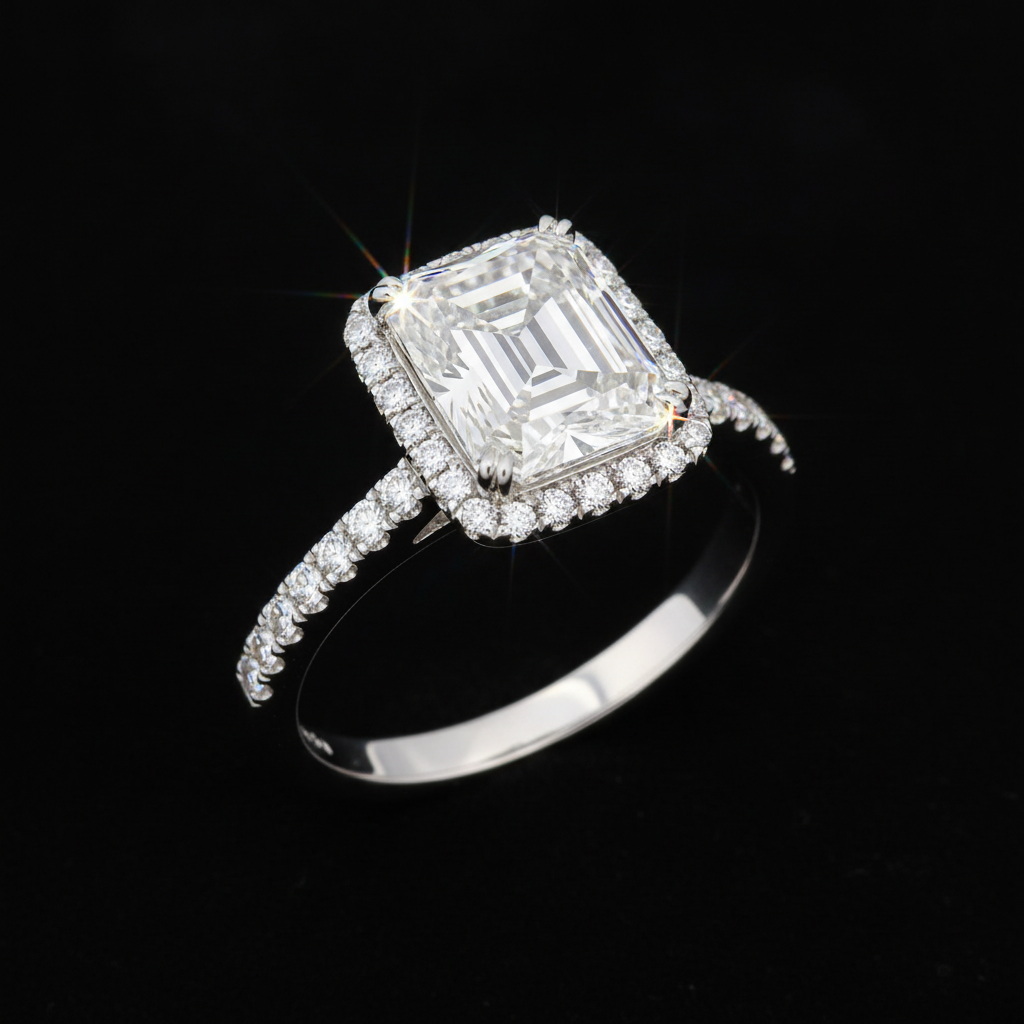
The center stone usually carries most of the value. Buyers look at carat weight, color, clarity, and cut, and they pay close attention to the cut because it determines how the stone performs and how it can be resold. Two diamonds of identical weight can differ widely in value once you factor in a slight yellow tint, visible inclusions, or poor proportions. If your ring comes with a grading report from a respected laboratory such as GIA, that document speeds things up and gives both sides a shared reference point.
Without a report, a buyer will grade the stone themselves under magnification, and that is entirely normal. It is also why you should ask them to explain what they see. A trustworthy buyer will tell you the color range, the clarity grade they are assuming, and how the measurements affect the number.
The metal setting
The band and prongs have their own value. A setting in 14k gold, 18k gold, or platinum contains real, measurable metal, and a buyer can weigh it and price it against the current market. Platinum rings in particular carry meaningful metal value that sellers often forget about. Check the inside of the band for stamps such as 14K, 18K, 585, 750, or PT950, since these help confirm what you have.
Smaller accent stones around the center, like side diamonds on a halo or three-stone ring, add value too, though less than the main stone. They are graded and counted as part of the total. A ring with a cluster of well-matched melee diamonds is worth more than the same ring with several chipped or missing ones.
The brand and design
Some rings carry a name that changes the equation. Signed pieces from houses like Tiffany & Co., Cartier, Harry Winston, or Van Cleef & Arpels can sell above the combined value of their stones and metal, especially when the design is recognizable and the condition is good. An original box or pouch and any paperwork help here. A plain solitaire from an unnamed maker is priced almost entirely on its materials, which is perfectly fair, just a different kind of valuation.
Natural or Lab-Grown: Be Honest About Which You Have
Lab-grown diamonds have become common in engagement rings, and they are valued very differently from natural stones. Their prices have fallen sharply as production has grown, so the resale market for them is far smaller and the offers are far lower than for natural diamonds of similar size and quality. If you are not sure which type your ring contains, check the paperwork or the laser inscription on the girdle, which a jeweler can read under magnification. Also ask any buyer up front whether they purchase lab-grown stones at all, because some do not. Knowing this before you visit saves time and avoids a disappointing surprise.
Insurance Appraisals Can Mislead You
Many people hold an insurance appraisal and assume it states what the ring is worth. In reality, those documents estimate replacement cost, meaning what it would take to buy a comparable ring new at retail. That figure is intentionally high so that you are covered if something happens. It is a useful document for insurance and a poor guide for selling.
It is still worth bringing, because it often lists stone measurements, grades, and metal details that can help a buyer identify the ring quickly. Just keep its dollar figure in perspective, and do not treat it as a price you are owed.
How to Prepare Before You Sell
A little preparation makes the process faster and gives you stronger footing. Here is what to gather before you go:
- Grading reports or certificates, especially from GIA or another established lab.
- The original receipt, box, and any appraisals, even if they are old or incomplete.
- Government-issued photo ID, which is required by New York law for every sale.
- Any matching pieces, such as a wedding band or anniversary band, if you want to sell them together.
- The ring itself, clean and unaltered. A gentle wash at home is fine, but skip any professional re-polishing or repairs, because those can alter the piece and rarely pay back.
It also helps to decide in advance whether you want to sell the ring as is or whether you would consider a buyer who values the stone and the setting separately. Rings with outdated mountings often sell better as loose stones, and the metal is then valued on its own. A good buyer will lay out both options so you can choose.
Ownership and Timing
If the ring was a gift, it is worth being clear about whether it is yours to sell, particularly after a breakup or a broken engagement, where the rules about who keeps the ring can depend on circumstances and on state law. If you have any doubt, sort that out before you sell, since a legitimate buyer will want to be sure of the ownership trail as well. The matter is separate from the valuation, but resolving it first keeps the sale clean.
On timing, there is rarely a reason to rush. Gold and diamond markets move gradually, and the best approach is to get an in-person appraisal, compare it with what you expect, and then decide. Taking an hour to compare a couple of offers across Manhattan, from the Diamond District to Chinatown and the Bowery, is usually time well spent.
How to Spot a Lowball Offer
A fair buyer shows their work. They should weigh the ring and test the metal in front of you, examine the stone openly, and explain how they reached the figure. Be cautious of anyone who takes the ring into a back room, gives a single number without breaking it down, or pressures you to accept quickly. Another red flag is a buyer who dismisses the diamond as "just a small stone" without grading it, or who offers only a flat price per piece with no reference to the market.
Buyers that refine in-house have a structural advantage here. When the same company can recut or sell the stone and also refine the metal, there is no middleman taking a second cut, and that tends to show up in the offer.
Selling Your Engagement Ring at Ideal Refiners
At Ideal Refiners, we appraise your ring for free, in front of you, with no obligation. We look at the diamond, the setting, and any accent stones, explain how each part is valued, and give you an offer based on live market rates. Most items take about 20 minutes, and if you accept, you are paid the same day in cash or by bank transfer. You will need a government photo ID, as required by New York law.
You can find us at 70 Bowery #1.1, New York, NY 10013, open Monday through Thursday from 10am to 5pm and Friday from 10am to 3pm. If you have questions before you come in, call us at (347) 970-1562. Bring the ring and any paperwork you have, and we will walk you through exactly what it is worth.