
Dental gold sits in an odd corner of the precious metals world. A gold crown from a dentist's office feels like it should be simple to value: it is gold, it has weight, and gold prices are on the news every day. In practice, it is one of the harder items to price by eye. The metal in a tooth restoration is a working alloy designed to survive decades of chewing, and its gold content can range from generous to surprisingly modest. If you are holding old crowns, bridges or inlays and thinking about selling in New York City, understanding how they are valued will help you judge whether an offer is fair.
Why Dental Gold Is Not the Same as Jewelry Gold
Pure gold is far too soft to hold up inside a mouth. Dental labs have long blended gold with other metals such as platinum, palladium, silver and copper to create alloys that are hard, stable and resistant to corrosion. The result is a material that looks gold but may contain much less gold than a 14k or 18k ring. Older yellow gold restorations often have a high gold content, while many modern alloys are lower, and some "gold-colored" restorations contain little or no gold at all.
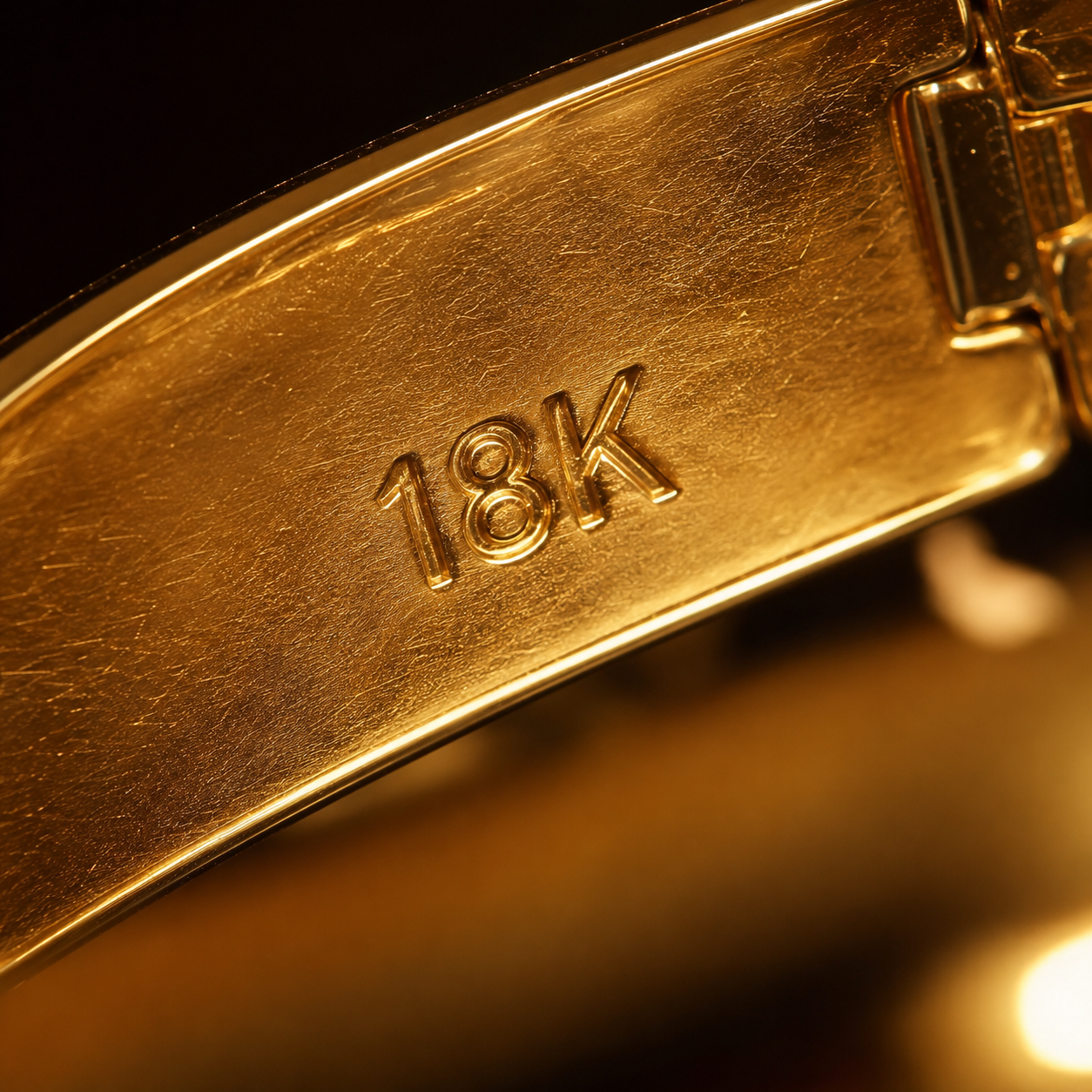
That variation is the whole story. With a wedding band, the karat stamp gives you a reliable starting point. Dental work almost never carries a hallmark, so nobody can read the purity off the piece. It has to be tested, and the result determines the payout far more than the size of the crown does.
The Metals That Show Up in Dental Alloys
Gold is the headline, but it is not the only valuable metal. Platinum and palladium are both precious metals with their own market prices, and some dental alloys contain meaningful amounts of them. Silver is common in older alloys and adds a little value. Base metals like nickel, chromium and cobalt appear in non-precious restorations and add essentially nothing to a refiner's recovery. Looking at a tooth, you cannot tell which of these you have, which is why testing matters.
Crowns, Bridges, Inlays and Porcelain: What You Might Have
Different kinds of dental work behave differently once they leave the mouth. Knowing which category your pieces fall into sets realistic expectations before you ever leave home.
- Full gold crowns and inlays: solid metal restorations, usually the most straightforward to value because the weight is nearly all alloy.
- Porcelain-fused-to-metal crowns: a metal shell covered in porcelain. The ceramic adds weight but no value, so the scale weight overstates the metal.
- Bridges: several units joined together, often combining gold sections with porcelain or different alloys in different spots.
- Partials and old dentures: may contain metal frameworks or clasps, sometimes precious and sometimes not.
- White or silver-toned restorations: these may be palladium-based or non-precious alloys, and they need testing rather than assumption.
The porcelain issue catches many sellers off guard. A bag of crowns can weigh a lot on a scale and still hold a modest amount of recoverable metal, because the ceramic has to be separated out during refining. A fair buyer accounts for this honestly and explains it, rather than pricing the full weight as if it were metal.
How the Payout Is Worked Out
The math behind any scrap gold offer follows the same logic: how much fine metal is actually in the piece, multiplied by the current market price, minus the cost of turning scrap into usable metal. For dental gold, each step has a wrinkle.
Weight and Metal Content
Precious metals are priced per troy ounce, and smaller quantities are often discussed in grams or pennyweights. Your pieces get weighed, but the weight is only the first number. The second is how much of that weight is gold, platinum, palladium or silver. Once the alloy is tested, the buyer can estimate the fine metal content and price each component against live market rates. Two crowns that weigh the same can produce very different offers if one is a high-gold alloy and the other is mostly palladium and base metals.
Why Live Rates Matter
Gold and other precious metals move through the trading day. An offer based on live market rates reflects where the metal is right now, not a number someone wrote on a board last week. If you are not in a rush, watching the market for a few days can tell you whether prices are trending up or down, but trying to time a peak is a gamble. Most sellers do better by choosing a reputable buyer and selling when they are ready.
Refining and the Middleman Question
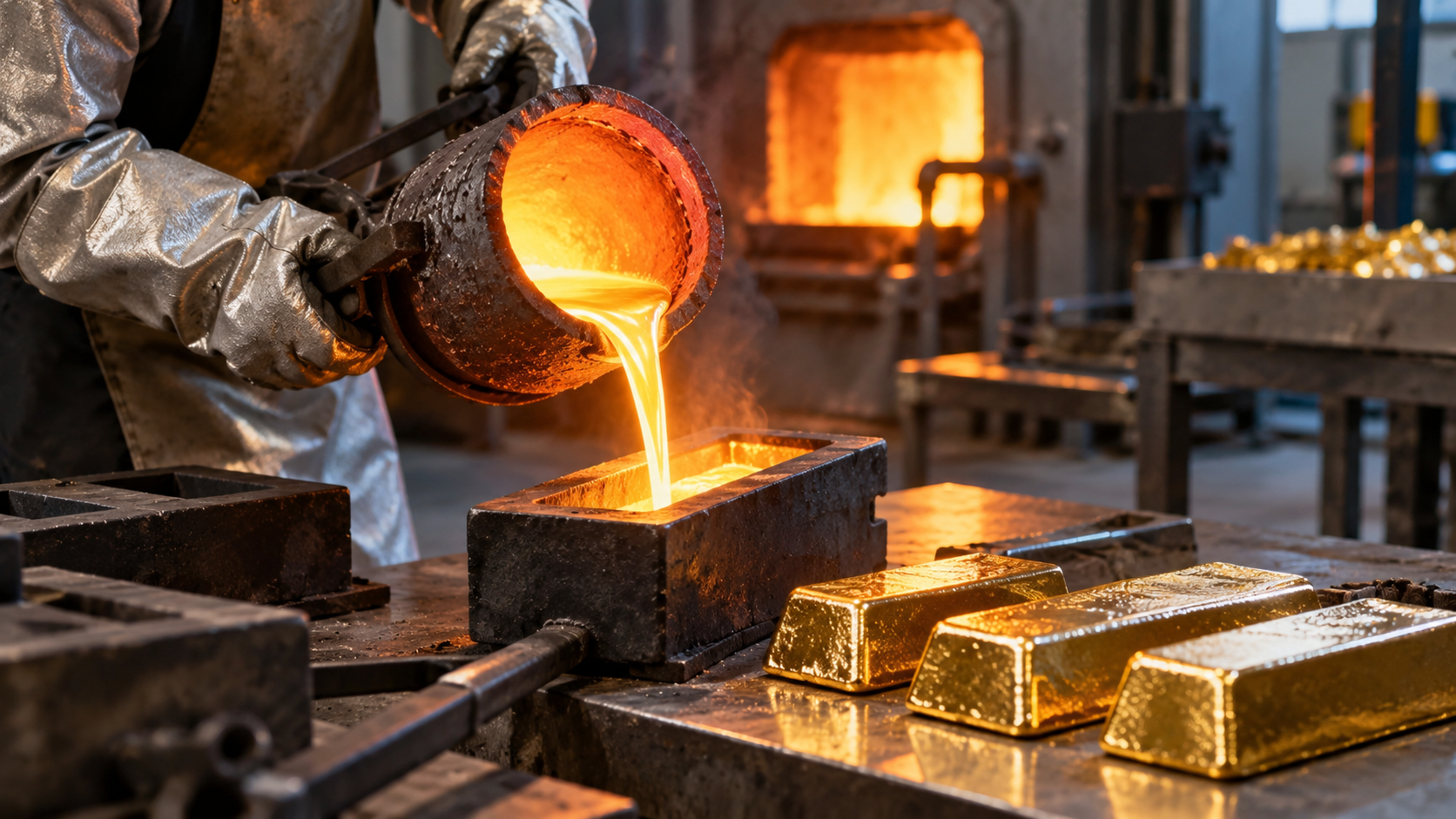
Most small dental scrap ends up at a refinery eventually. If you sell to a buyer who ships your material to a third-party refiner, that buyer has to cover shipping, assay and the refiner's fee, and still make a margin, so your offer shrinks at each step. A buyer who refines in-house removes one layer of that chain. It does not mean every in-house refiner pays the same, but it does mean there is less room for a middleman margin between your crown and the metal market.
Where Dental Gold Sellers Get Underpaid
Because dental gold is hard to judge by sight, it is an easy category for lowball offers. A few patterns come up again and again.
- A flat price per piece that ignores weight and purity entirely.
- Pricing the whole bag as the lowest-purity item, without testing individual pieces.
- No explanation of how porcelain or base metal was deducted.
- Pressure to decide before you have seen the weight or the test result.
- Mail-in "gold kit" companies that send a small payment on a delayed timeline, with no chance to negotiate in person.
The best protection is transparency. A trustworthy buyer will weigh your items in front of you, test the metal while you watch, and explain how the offer was reached. If someone will not show you the numbers, treat that as information.
How to Prepare Before You Sell
A little preparation makes the process smoother and helps you recognize a fair offer. Start by asking whether the pieces are actually yours to sell. If your dentist removed gold during a procedure, it generally belongs to you, and you can ask for it back. Dental offices sometimes keep it by default, so it is worth asking before the appointment.
Make sure any removed restorations have been cleaned and disinfected. Buyers want metal, not tissue, so do not bring natural teeth or anything unsanitary. Keep different types of pieces roughly separated if you can, with solid gold crowns apart from porcelain-fused ones. Do not try to scrape off porcelain yourself, since you can damage the metal and lose material. If you have any paperwork from the dentist that names the alloy, bring it, as it can be a useful clue. Finally, bring a valid government photo ID. New York law requires it for precious metal purchases, and any legitimate buyer will ask for it.
Selling Dental Gold in Manhattan
New York has no shortage of places that will buy gold, from the Diamond District to storefronts around Chinatown and the Financial District. The differences between them matter more than the address. Look for a buyer that tests in front of you, quotes from live market rates, and is willing to walk you through the math. Reviews and a verifiable street address are good signs, and so is a buyer that is comfortable letting you say no.
At Ideal Refiners, we are a direct buyer and in-house refiner on the Bowery, not a pawn shop or a retailer. Appraisals are free and carry no obligation, most items take around 20 minutes, and if you accept the offer you are paid the same day in cash or by bank transfer.
Ready to See What Your Dental Gold Is Worth?
If you have crowns, bridges or inlays sitting in a drawer, you do not need to guess what they are worth or commit to anything to find out. Bring them to our office at 70 Bowery #1.1, New York, NY 10013 with your government photo ID, and we will weigh and test the metal with you and explain the offer line by line. We are open Monday to Thursday from 10am to 5pm and Friday from 10am to 3pm. You can also call us at (347) 970-1562 with questions before you come in.